Fungi are a crucial part of every healthy garden.
Fungi create niches that are inhabited by other species, break down organic matter and make nutrients available for plants. They store water over a long time and make it available when needed. They enter symbiotic relationships with plants and support them in growth and can protect them from parasites, they can bring colour to a garden in times where little else grows, can provide materials for crafting and art and some even taste delicious. In the past years I have spend the majority of my time on gardening with fungi. Driven by approaches and considerations missing form most current books, I started to write my own which I aim to publish in the coming years. Find out more about fungi and my approach to gardening with them below.
Use the arrows or swipe to explore →
-
![]()
Integrating fungi
Despite common belief, fungi don’t only grow well on the north side of the house in the shade where no sun ever reaches. Fungi can be implemented in many ways across the garden, with the right considerations in mind. On top of that, not every species of fungi needs shade all the time; there are fungi that specialise on pretty much any niche one could think of in a garden and some will be happy to find deadwood that is mostly in the sun. The more niches provided in a garden, the higher the possible biodiversity.
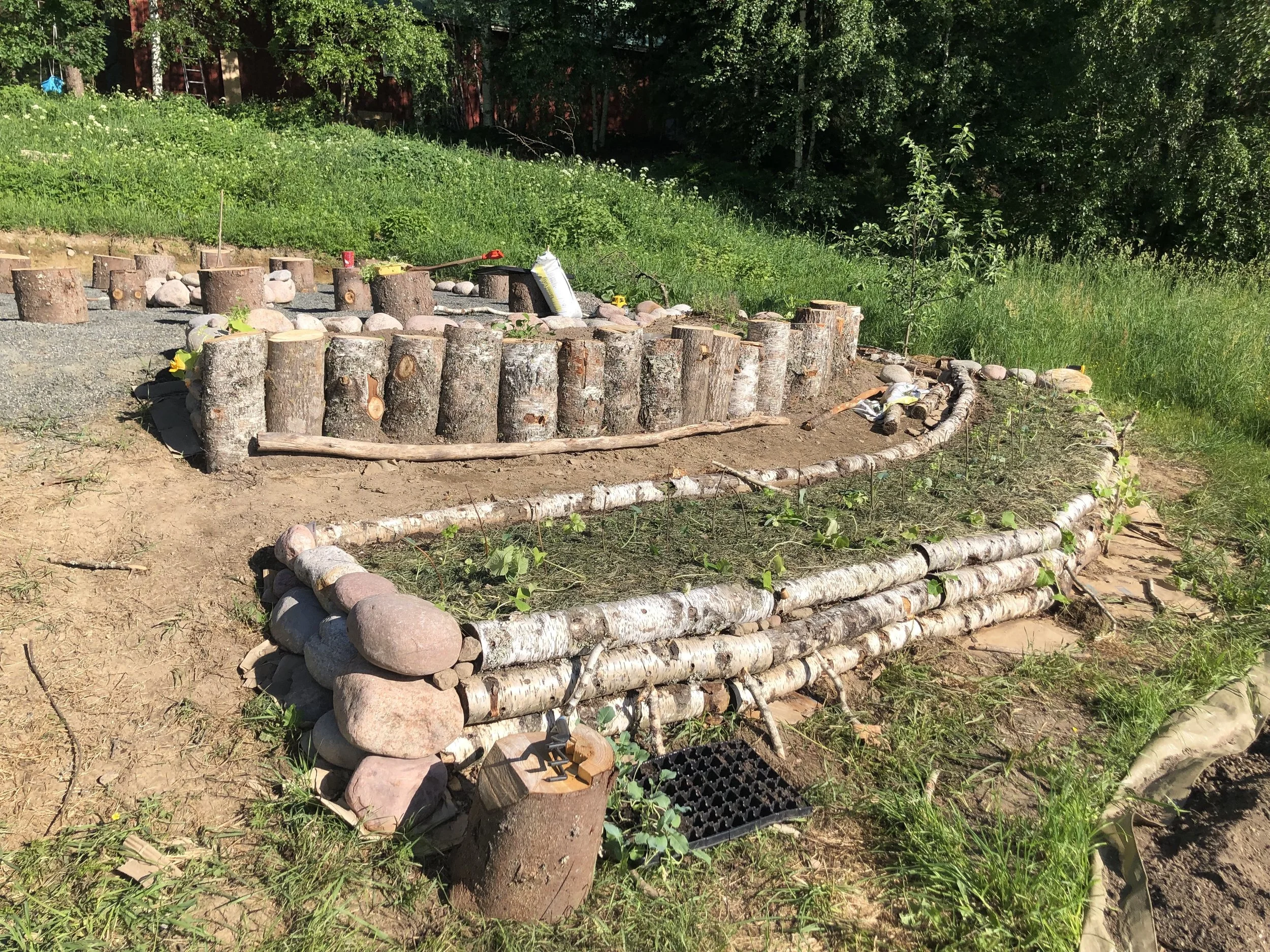
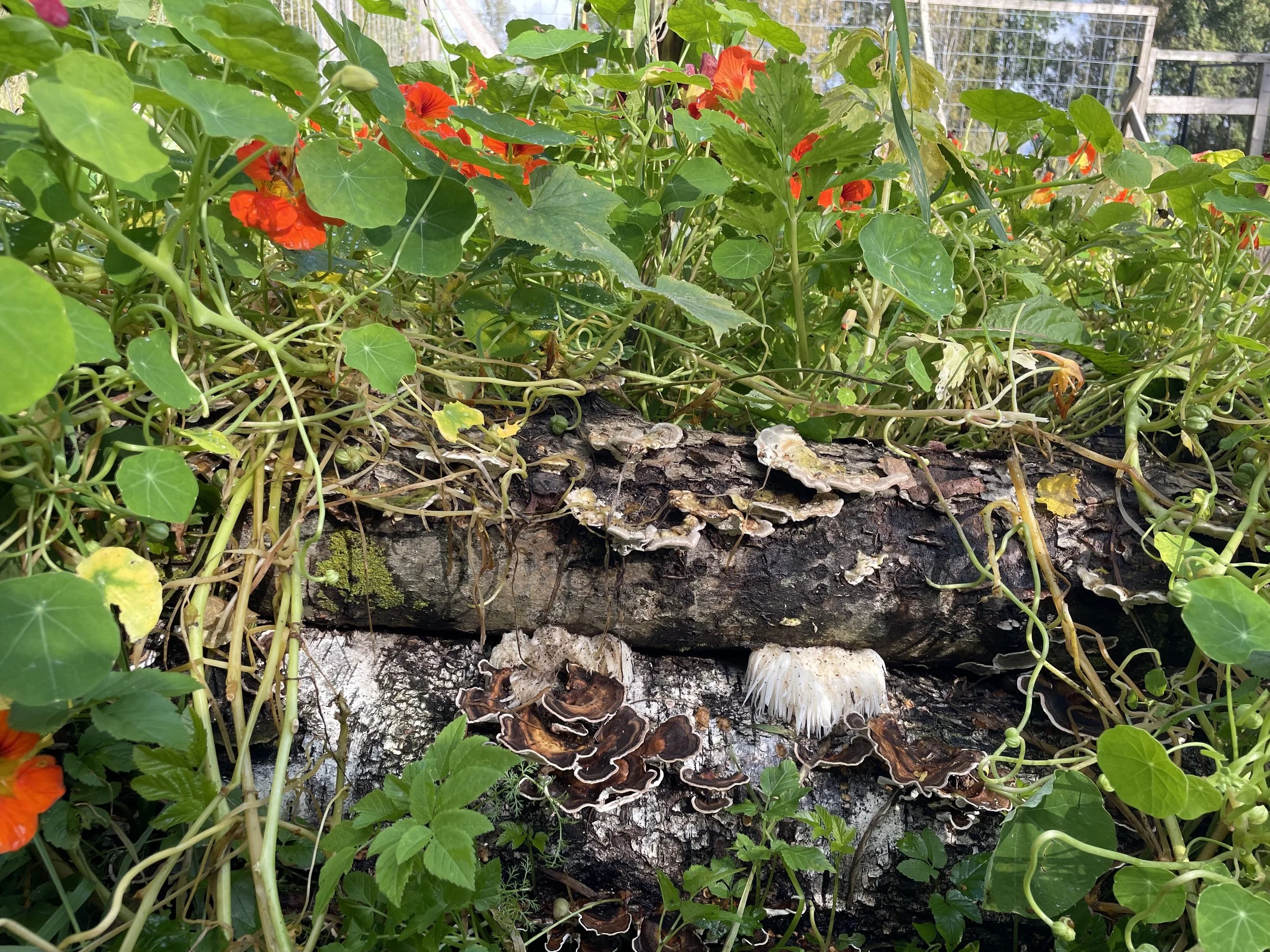
I love taking logs to create raised beds like seen in the picture above. These raised beds were built on a slope facing south, so we planted plants with droopy, big leaves on the edges to protect the logs from sun later in the year. Since then, a lot of different mushrooms appeared on the logs and the oyster mushrooms we inoculated into the upper logs are fruiting regularly in spring and autumn.
Standing logs buried partly in soil can also be used to grow vines along or even be fully buried for mushrooms that need the soil contact, such as Maitake. Paths created from woodchips can be inoculated and provide more harvest than the garden beds next to them, while protecting the soil underneath from heat and dryness. Where mulching is done, some species will thrive happily, turning the mulch slowly into compost and food for us, if the right species is chosen.
Mushroom beds can be created from materials that, after fruiting for 1-2 years, can be used to grow plants in, with all the nutrient rich material left behind. Bat and bird houses can be created from inoculated logs, mimicking natural habitat much closer than boxes made from plywood.
All that doesn't rule out using the northside of the house to create a little mushroom farm with traditional log growing methods.
With all the methods above, I make sure that there is a good amount of non inoculated material in the garden to allow other local species to find a place in the garden. -
![]()
Deadwood as habitat
Deadwood is a highly biodiverse habitat.
A single log can contain up to 400 different species of fungi. Those fungi not only break down the wood and leak nutrients into the surrounding soil, they also provide crucial niches for other species. Many insects depend on fungi and deadwood as a food source, shelter, breeding space and nurseries for their young. Some of the insects are highly specialized on certain species of fungi. They include some of the most critically endangered beetle species in Europe.
Also various pollinators depend on deadwood as breeding space. Amphibians use the logs as hiding space and, like birds, benefit from the increase of prey that is attracted by fungi.
Bringing deadwood in your garden therefore not only benefits the plants, but also the biodiversity in your garden.
Deadwood doesn't always have to be just a pile of logs laying in a corner. They can be integrated into garden designs in various ways. Trees that have to be cut or die off naturally (unless it is due to a contagious parasite) can be cut further up to leave behind a tall snag. This is a highly sought after habitat for many species and can also be used to grow vines or beans on. -
![]()
Functional fungi for us
There are many reasons to encourage or grow fungi in a garden and most of the time they fulfil multiple functions. Besides supporting the garden by increasing biodiversity and resilience they also are an amazing treasure trove for us. Delicious foods are only one reason to grow mushrooms. There are a wide variety of tastes to discover in the mushroom world with incredible nuances. From the classic mushroom sauce for pasta or pickled mushrooms to golden brown schnitzel, different species in different stages of their life are suitable for different dishes.
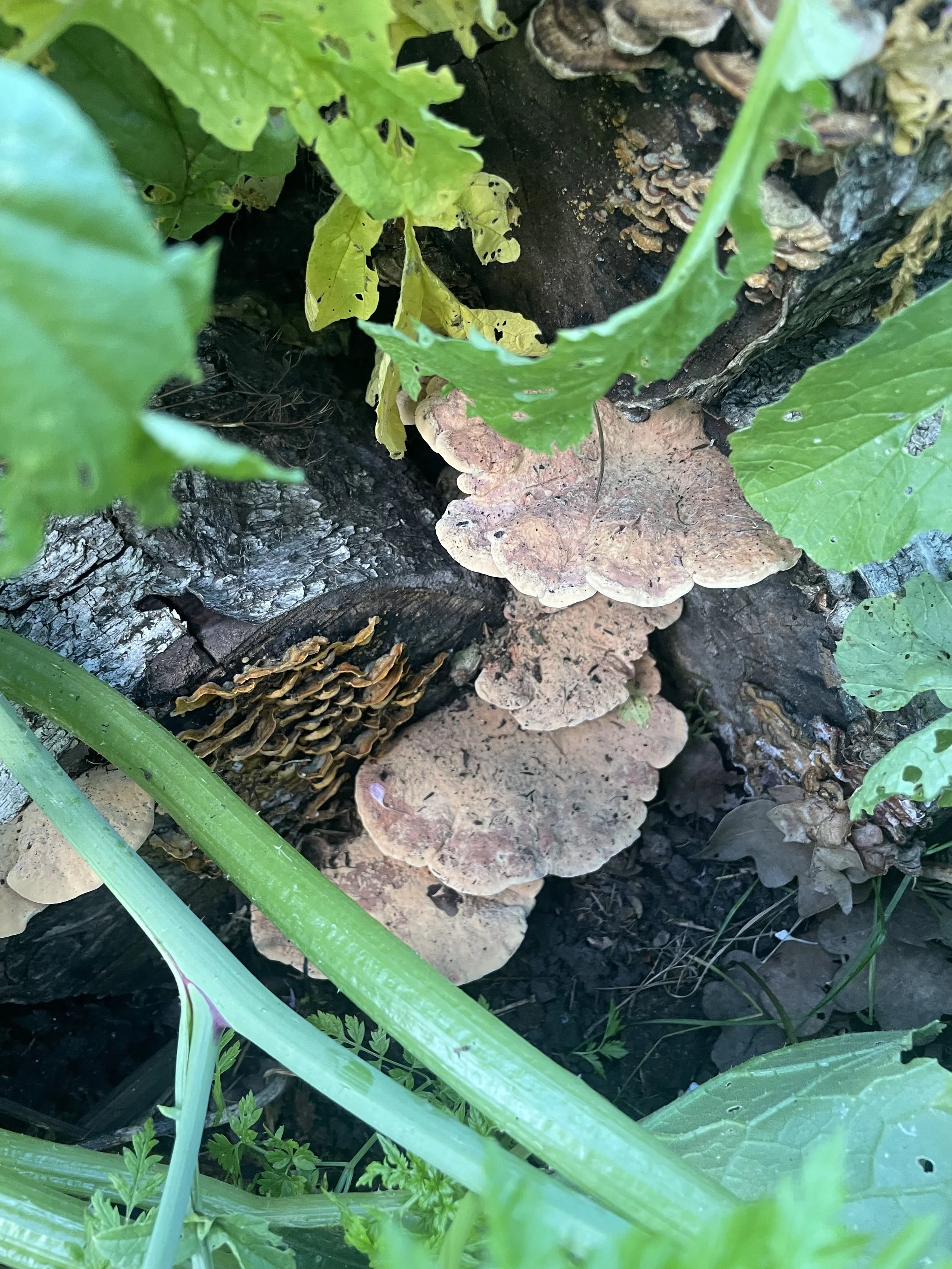
But aside from being a food source for us, mushrooms are usable for our purposes. The Purple Dye Polypore (Hapalopilus rutilans) in the picture above grows between our zucchini and only rarely is found in bigger amounts in nature. It is highly sought after by artisans for its beautiful purple colour when used to create pigments or dye fabric, exceptional for its ability to maintain its colour after washing - a rare feat for purple natural dyes. Not only purple is possible;a wide array of colours can be created using mushrooms.
We also grow fungi like the Green Elfcup on logs in our garden that stain the wood an absolutely stunning green which doesn't reduce the wood's stability and can be used for wood working. Wood stained by fungi in carpentry and art have a long history but very few people grow it for that reason. We grow a lot of different species in the same logs which create incredible patterns and colours in the wood, which we then pass on to crafters.
Some fungi are also undeniably gorgeous like the Blue Roundhead or the Ruby Elfcup that shows up in gardens before much else grows.
Polypores and other fungi can be used for crafting projects like making paper from mushrooms, a fun activity that is easy to do and lots of fun.
Some mushrooms are not that spectacular during the day but will glow bright in the night when shone upon with a uv light. And there is also the joy of seeing a big variety in your garden or seeing other creatures interact with them. These are a few of the many reasons for increasing popularity of mushrooms in gardens and we are only at the very beginning of that journey. -
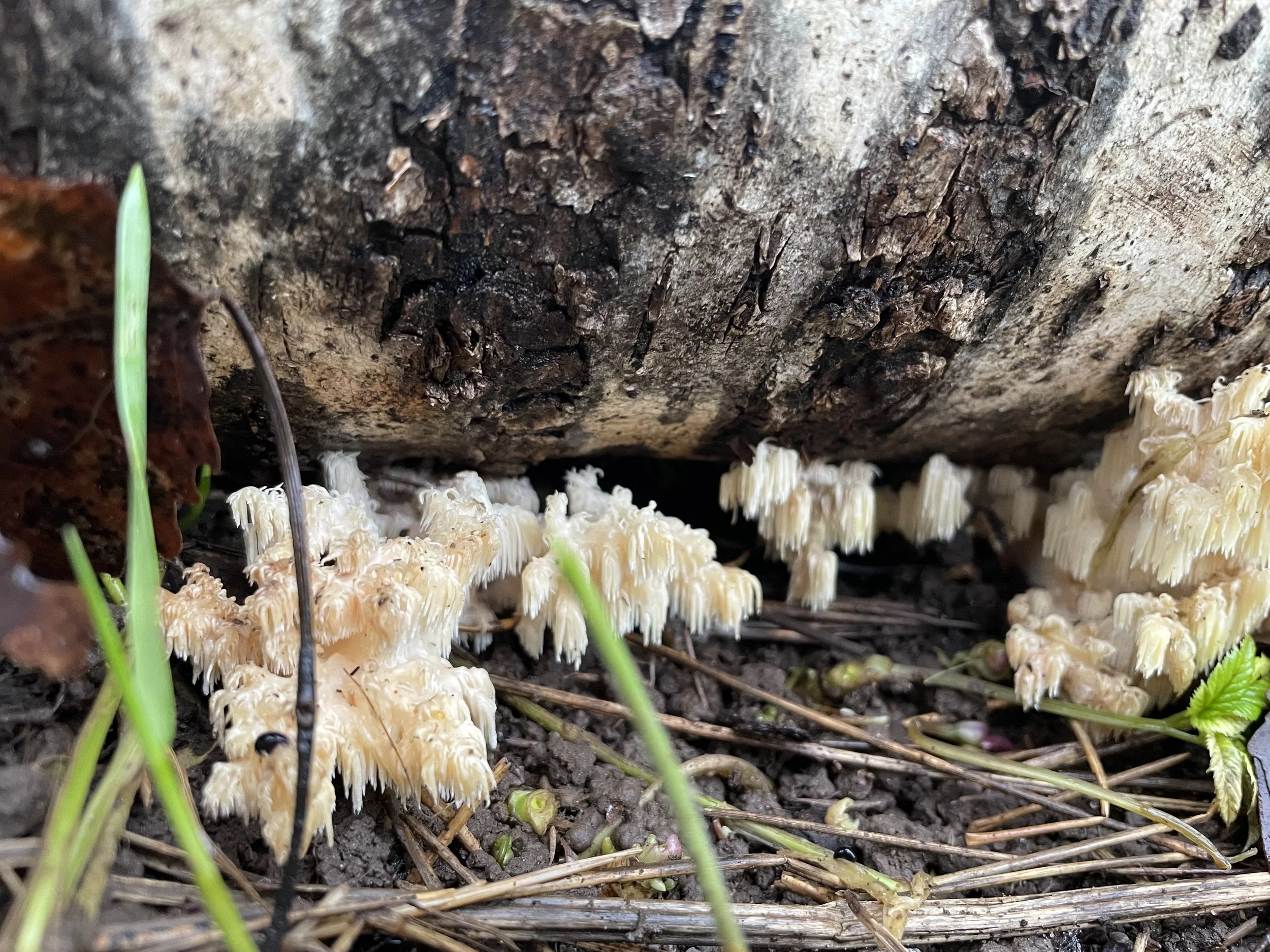
![Hericium coralloides]()
Threatened and endangered species
In a rapidly changing world, a lot of species are under enormous pressure and face extinction. Fungi are no exception. Destruction of habitat, invasive species, fragmented landscapes, climate change and intense land management are threatening fungal species world wide.
Despite common belief that mushrooms spread easily through spores in the wind, the reality is that most spores fall already after a few meters making them quite limited in their dispersal ability. Gardens provide an opportunity to be part of a corridor for some rare fungi on the move from one intact ecosystem to the next by providing suitable habitat.
While providing a space for them to thrive is recommendable, introducing rare species yourself is not. (Re-)introducing such species should only be done by experts who take their natural distribution and genetic diversity into account and monitor their establishment and dispersal.
Distributing rare species by yourself can in the best case distort the understanding of their natural habitat and in the worst you might introduce a strain that unbeknownst to you originates from a different continent and might not even be the exact same species. This might replace the native strains local to your area. For these reasons, purposely introducing species that are threatened or endangered should be avoided in your garden. -
![Armillaria]()
Pathogens and Parasites
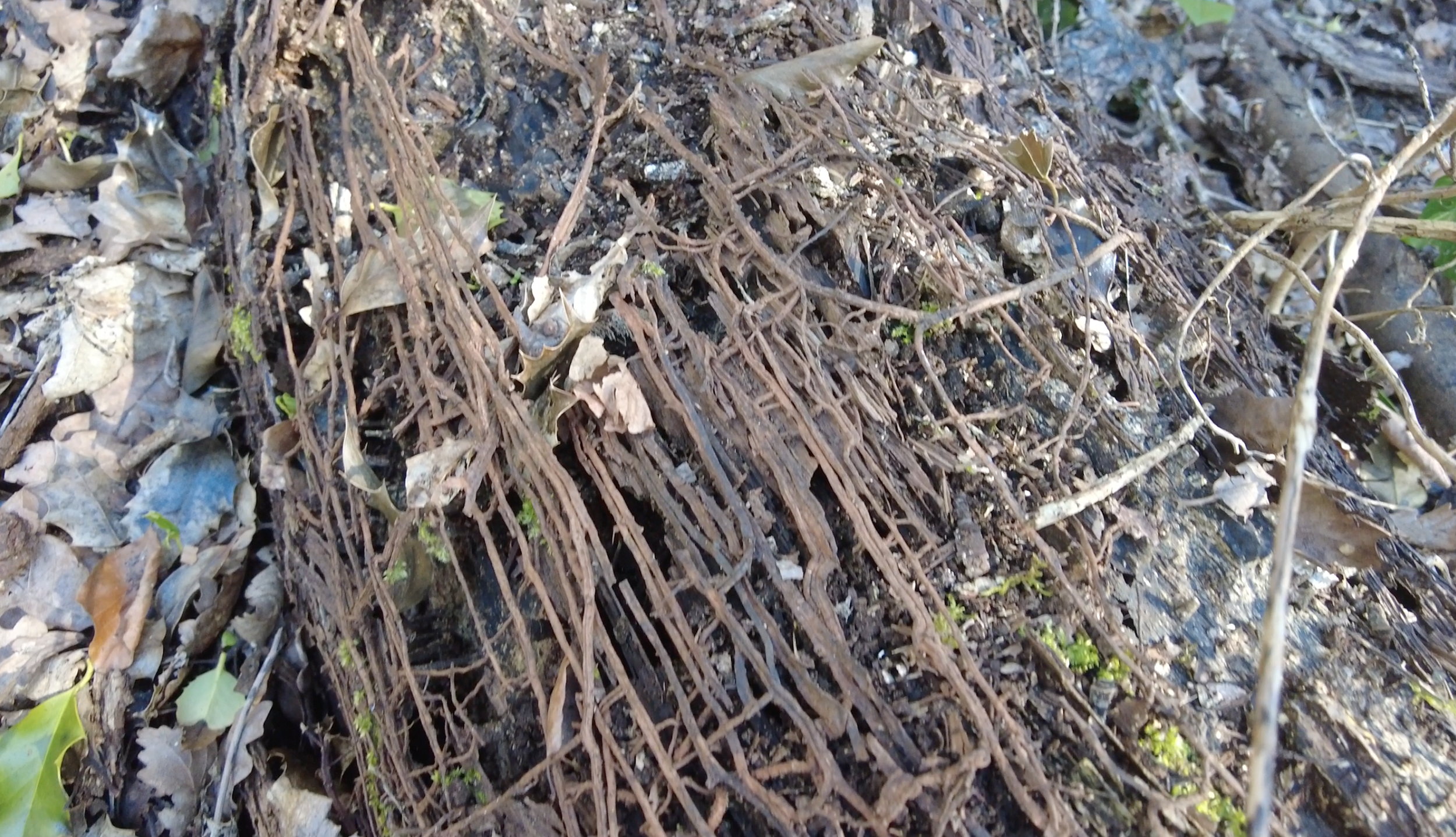
Not every fungi is a welcome guest in gardens. The honey fungus (Armillaria) is the most reported garden disease at the Royal Horticulture Society every year since 1995 since they published the first RHS Annual Disease Ranking. It is highly versatile in host trees, and some species of Armillaria specialise in attacking completely healthy trees. Armillaria mostly spreads through existing mycelium networks in affected roots with their characteristic chord-like mycelium structures (see picture). While being highly adapted to healthy trees it is easily outcompeted by other fungi in deadwood.
Therefore bringing non contaminated deadwood into your garden is unlikely to attract honey fungus if it is not already present and a high diversity of wood-inhabiting fungi in your garden decreases the chance Armillaria has to spread through dead material.
Most tree inhabiting parasites are not that aggressive and mostly prey on the weak and damaged, fulfilling an important role in natural habitats of keeping plant populations healthy.
Other fungal diseases, like the dutch elm disease or ash dieback, are species of fungi that are invasive in Europe and native plants lack the defense mechanisms to resist them.
Also for such diseases, a high biodiversity in gardens creates natural defenses and barriers that impede the spread of fungal and other diseases.
If you suspect a plant in your garden to have a fungal disease, your first step should be identifying the disease. If you are unsure about the species affecting your plants, you can use the services from organisations such as the Royal Horticulture Society in England, or some Universities depending on your region, who offer identification of plant diseases. -
![]()
Natures delight, human distress
Mushrooms are often instantly under the suspicion of being poisonous when they pop up in a garden. In fact, of the roughly 15k fungi species in Europe that create visible fruiting structures (mushrooms), only around 150 are poisonous to people and most of them will rarely ever or never be found in a garden. In comparison, around 120 plant species that are poisonous to humans are commonly intentionally grown in gardens (more than half of them are native and are part of the around 300 plant species harmful for people in Europe).
Most of the poisonous mushrooms will cause mild but unpleasant effects such as stomach upsets while only a few are deadly but no European mushroom will poison you from simply touching or handling them. The toxins have to be ingested for them to have an effect. Exceptions are some milkcaps that will cause irritation if accidentally rubbed in eyes or on small cuts. Washing your hands after handling poisonous mushrooms to avoid accidental ingestion is enough precaution.
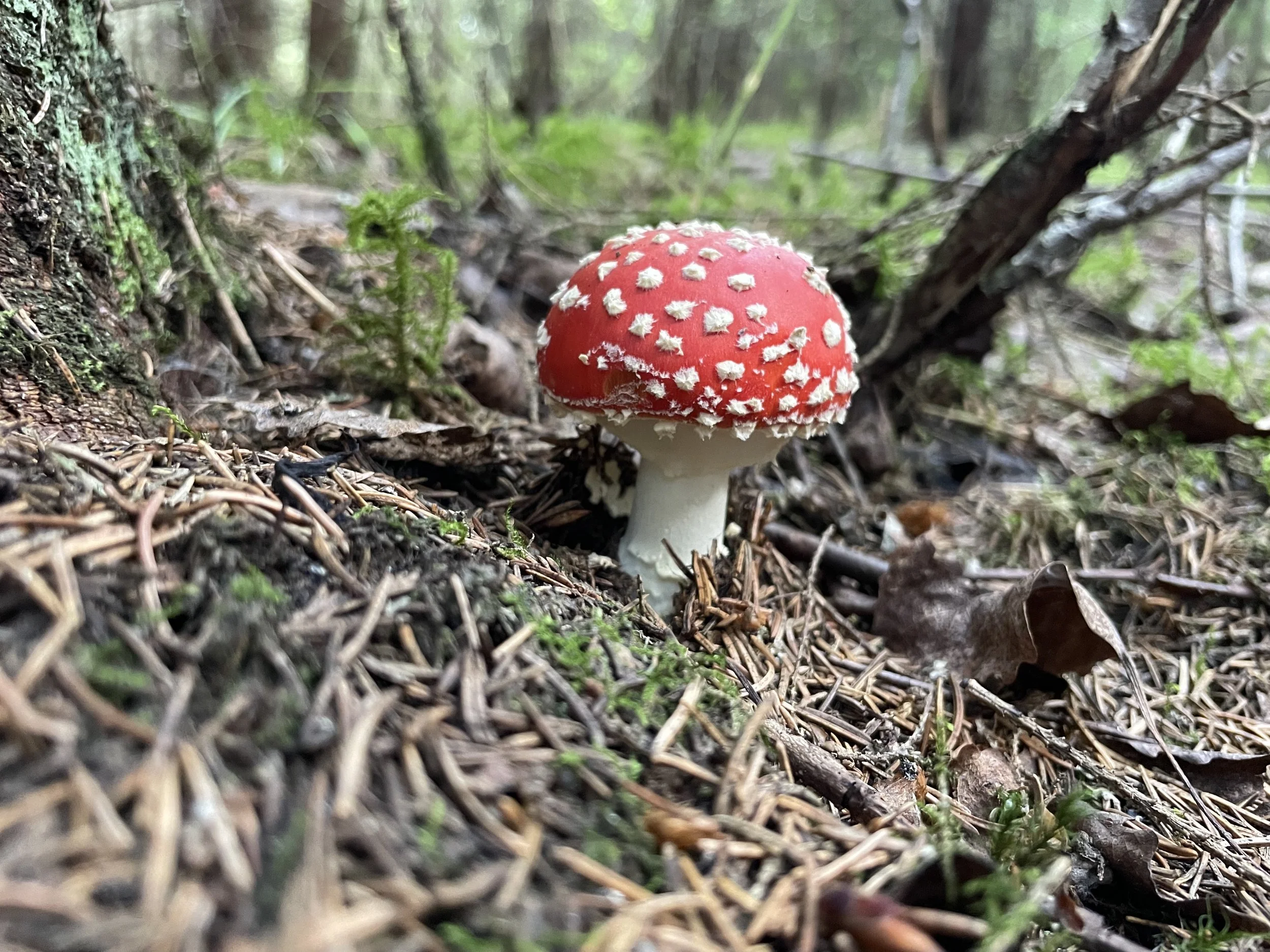
Certain deadly fungi occasionally pop up in gardens such as the deathcap or the destroying angle. When small kids or pets are using the garden, precautions can be taken and the fungi fruitbodies removed. Both of those species are mycorrhizae and will benefit the associated tree close by though and can be left to grow when no one is in danger of nibbling on them. Another reason to remove fungi fruitbodies are strong smelling species like the stinkhorn or the invasive devils fingers. Besides those very rare exceptions and only in cases where they might endanger someone, fungi can happily be left to grow unhindered and happily, thriving and supporting your garden. -
![Mycorrhiza]()
Mycorrhiza
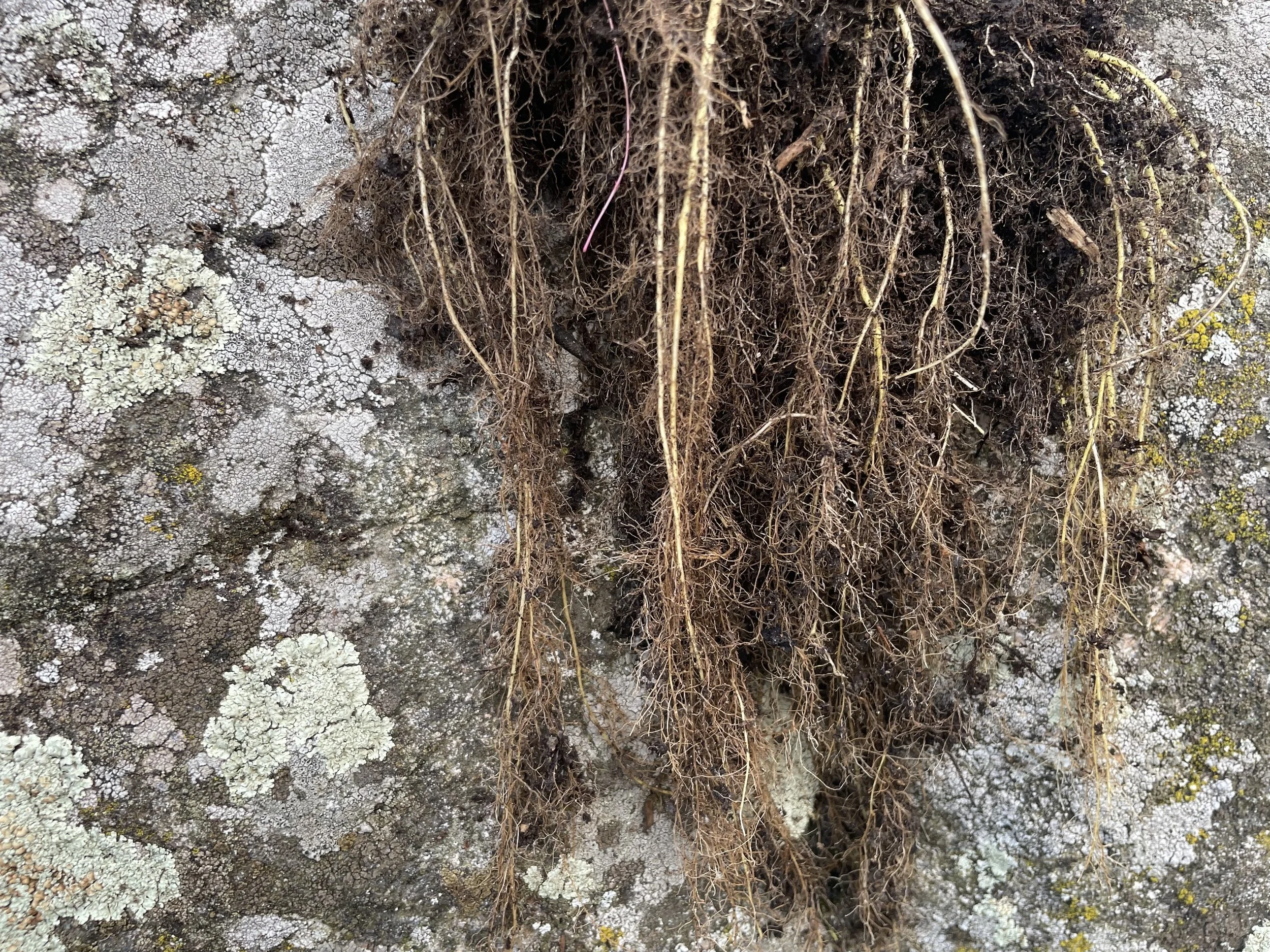
Around 460 million years ago the first plants, algae with no roots, started to grow on land. Without roots they relied on fungi that have been around for hundreds of millions of years, specialising in breaking down the surface of rocks to gain access to minerals. They paved the way for plants as we know them today and most of the plants worldwide, somewhere between 80 - 90% depending on the study, form these symbiotic relationships with fungi.
These fungi are called mycorrhizae and are a staple of every ecosystem hosting plants.
From deserts, to mangroves to gardens, they are masters of gathering soil minerals and providing them to the plants in exchange for sugars from the plants.
Because the vast majority of mycorrhizae don't produce any visible fruiting bodies above ground, studying the distribution of mycorrhizae relay on root and soil sampling paired with DNA analysis. Even with modern technology we still have a poor understanding of the mycorrhizal communities around the world.
Even not knowing what species are doing this important work in our garden, we still can support them by creating the most favourable habitat for them.
Minimizing digging or turning the soil to where absolutely necessary, avoiding bare soil as much as possible, avoiding using any strong synthetic fertilizers, pesticides or fungicides are the best ways to support your secret helpers. Mixing perennial plants with your annual plants allows a retreat after the harvest for some generalist mycorrhizae in the soil where they can survive until new things are planted.
This powerful alliance has also been discovered by industries and there are many different mycorrhizal products on the market promising rapid growth and higher yields. The unfortunate reality is that only very few of these products should be used in a garden from an ecological standpoint. Often the species in these products are not native and could, in the worst case, push away native species that other specialized plant species rely on. They could also be unable to survive in winter months, leaving the plant roots unprotected. Further, they often are mixes of different species, in which some overpower the rest, making them completely useless. Not uncommon in such mixtures is also the addition of fertiliser, which will kill most of the mycorrhizae quickly.
For all these reasons and more, I would not recommend the use of soils mixed with mycorrhizae, spore powders, tablets or other similar products in your garden unless they fit the local mycorrhizal community.
There are methods such as creating a slurry from local soil to inoculate your new plants with native strains, but in the end, the best way to support mycorrhizae in your garden is serving the soil and plants that grow there. -
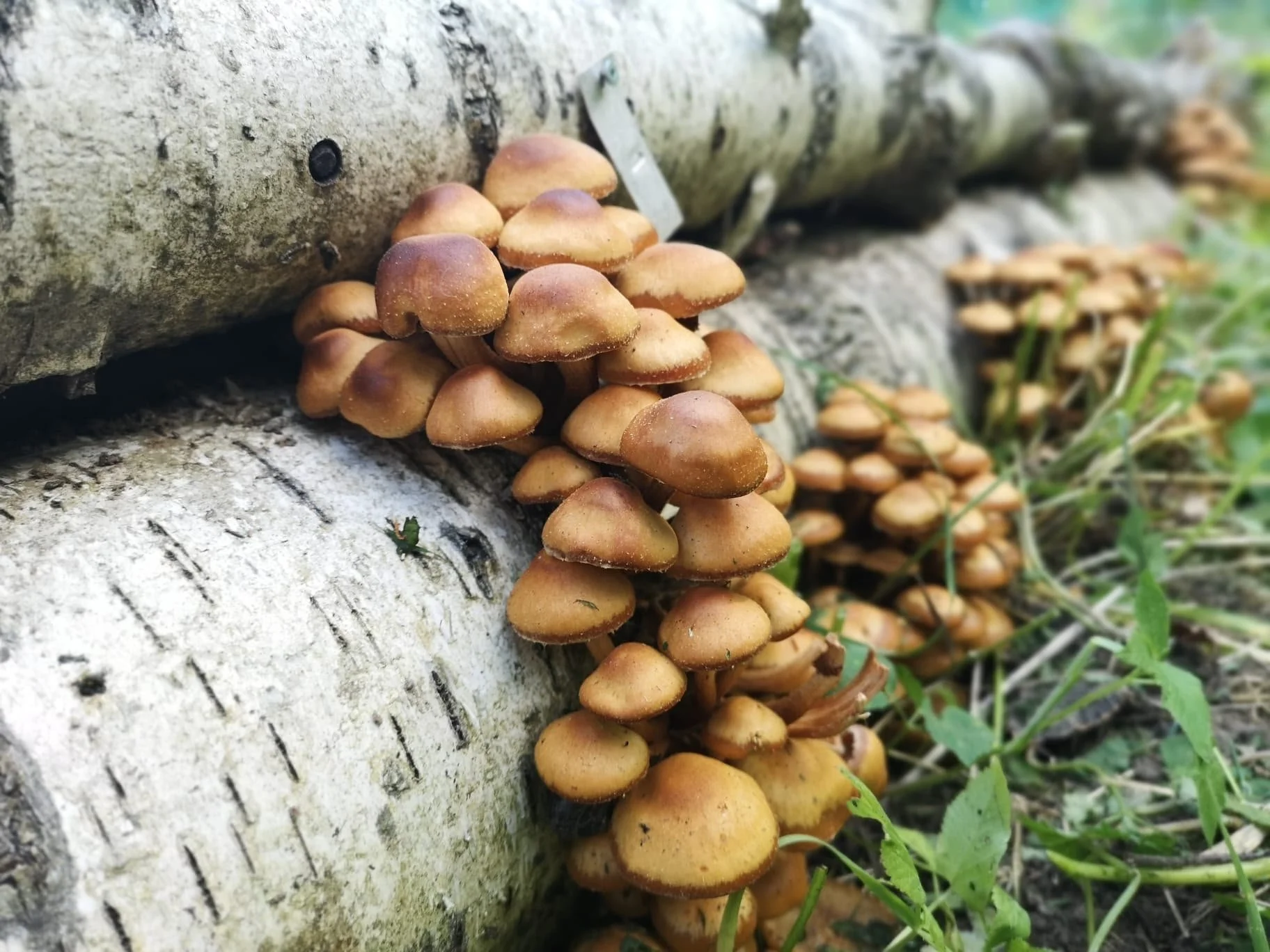
![Kuehnoromyces mutabilis]()
Why native species
Over 1.000 years ago people started farming mushrooms. The first one to be cultivated was shiitake. Originally depending on spores to land on logs, mushroom cultivation has come a long way. In the 20th century a lot of knowledge and methods about mushroom growing spread from Asia to the western countries. With it came highly productive exotic species and strains (cultivars in mycology) to the US and Europe.
There are many features that make a strain a good edible. Good taste, colour, smell, how well it keeps in the fridge and so on. From the production perspective, a good strain should reliably produce a lot of fruitbodies very quickly, have a high resistance against contamination and be able to utilize a wide range of substrates, such as different wood types. These are all traits that can help a strain become an invasive species in new areas. Exactly this happened with the golden oyster. Seen as an easy to grow species, people started to grow it commercially but also at home and in their gardens. In 2012, the first sightings of golden oyster in the wild were reported. Today it has already spread throughout the whole midwest and beyond. In 2025 a study showed for the first time that the golden oyster reduces local species in logs where it is present. The majority of the golden oyster mushrooms found in the US today originate from 2 strains. Even as the first sightings have been recorded in various places in Europe, it is still perfectly legal to grow it in your garden.
In absence of sensible laws preventing the spread of foreign fungal species, we are responsible ourselves to make conscious decisions. Making those is not always easy. Even assuming that a strain found in a country far away is of the same species as the local one isn't a safe choice. With continuously improving DNA methodology, some species once thought to be widespread, turn out to actually be a species complex. So what was once thought to be a strain of a native species, might be something completely different.
For this reason, the best choice is to only use native strains from as close as possible to ensure that no foreign species are accidentally spread.
There are a wide variety of native species (wherever you may be) that are edible, aesthetically pleasing or beneficial for biodiversity in your garden. With the increasing popularity of mushrooms growing in gardens and awareness about the importance of local strains, I hope that in the future more and more strain providers offer local strains in their stores. -
![Sourcing strains]()
Sourcing strains
Determining the origin of a strain from a mushroom growing supplier is usually not possible. Often the suppliers themselves do not know where their strains were originally found. Strains from research institutes, while better documented, are often unattainable for private individuals or have steep costs.
But thanks to increasing awareness about using native species and strains, suppliers in the US and UK are currently leading the way by providing an increasing amount of locally sourced strains and species and refraining from selling species like the golden oyster mushroom.
Unfortunately, in most countries though, suppliers still sell foreign strains and species for use in gardens. In this case you might find local mushroom grower groups that are willing to share the strains they have sourced themselves locally. Or you might yourself pick up a new hobby and start creating your own strains from local mushrooms you find. Finding and trying to grow different strains and species in your garden is a great way to connect to the fungal world.
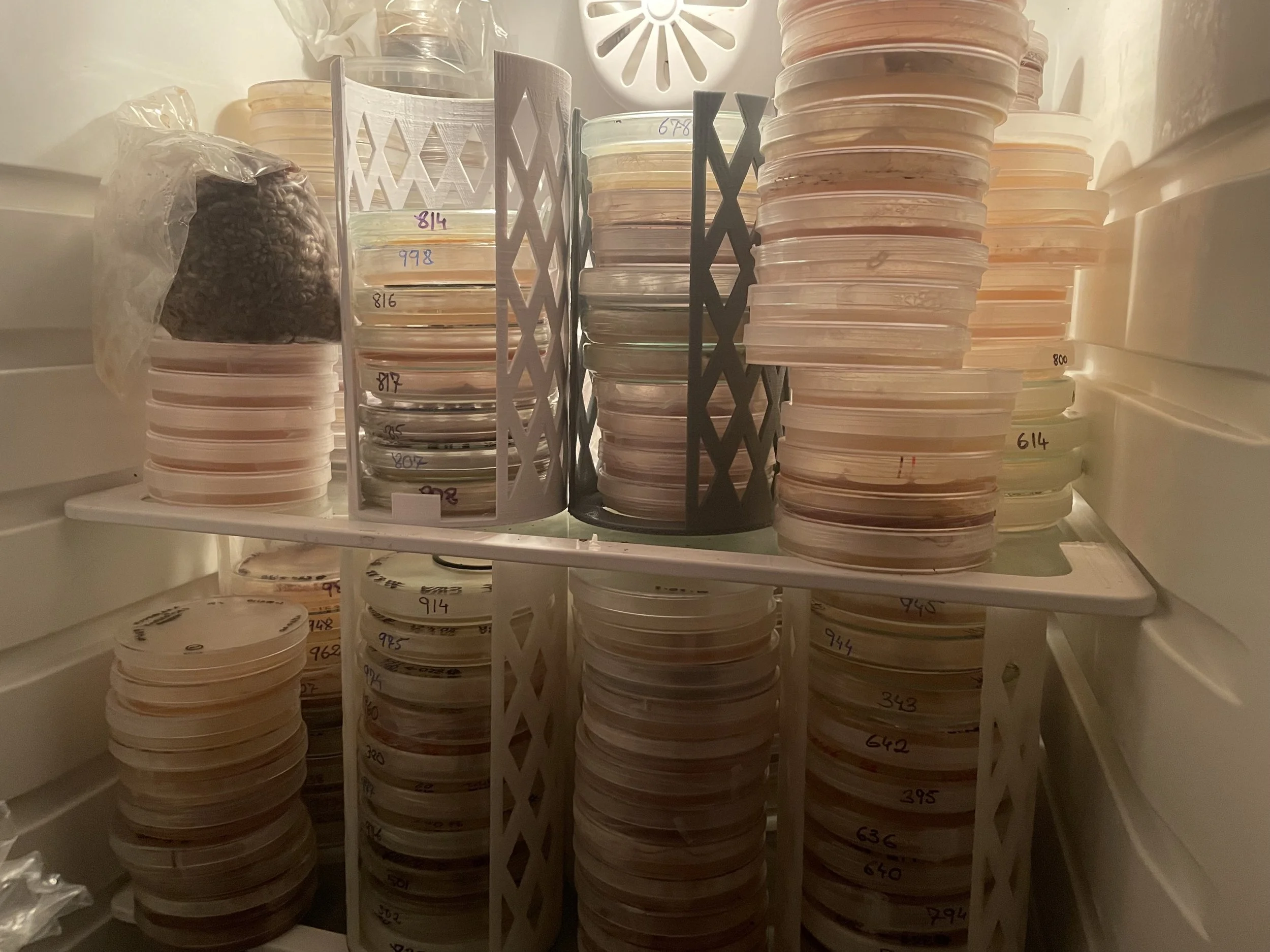
Methods and instructions are available throughout various books and online sources. Lab supplies are also available from various sources online.
There are also low tech methods such as cardboard cultures and spore slurries and others you can try to use to grow local species. Experimenting with low tech methods including new ones has been a focus of mine throughout the past years in order to support the use of local species through my upcoming book.
Increased interest in native species as well as the concern about possible invasive species by consumers and mushroom suppliers has shifted the availability of native strains.
Asking your supplier for native strains increases the incentive to provide such products.